Creating a wildlife-friendly yard is more than just a gardening trend; it’s a meaningful way to contribute to the preservation of local ecosystems and biodiversity. This type of yard not only provides a sanctuary for various wildlife but also offers an ever-changing canvas that is both beautiful and beneficial. This blog post explores practical strategies that homeowners can employ to transform their outdoor spaces into thriving habitats. From understanding local wildlife to planting native vegetation, each strategy is designed to enhance the natural environment and foster a harmonious coexistence with the flora and fauna that share the same space.
Understanding Your Local Wildlife

The first step in creating a wildlife-friendly yard is to become familiar with the wildlife that is native to the area. This requires some research and observation. Homeowners can start by visiting local nature centers, consulting with wildlife experts, or exploring online resources dedicated to regional wildlife. Understanding what animals, birds, and insects are common in the area helps in planning a yard that caters to their specific needs. For instance, a region with a high population of hummingbirds might benefit from flowering plants that provide nectar, while an area frequented by butterflies could use host plants for caterpillars.
Observing local wildlife habits and requirements is crucial for creating a supportive environment. This involves noting the types of food sources they seek, their nesting or resting spots, and their movement patterns throughout the day and year. Regular observation not only provides insights into the types of habitats to create but also helps in identifying any potential threats to wildlife, such as predators or hazardous structures. By tailoring the yard to meet these specific needs and considerations, it becomes a safe haven for wildlife and an integral part of the local ecosystem.
Planting Native Vegetation

Native plants are the cornerstone of a wildlife-friendly yard. They are adapted to the local climate and soil, requiring less water and maintenance than non-native species. More importantly, they provide essential resources for native wildlife, including food, shelter, and materials for nest-building. For example, berry-producing shrubs can offer nourishment to birds, while native grasses and flowers support a variety of insects and small mammals. Choosing a diverse mix of plants that bloom at different times of the year ensures a continuous supply of resources for wildlife.
Incorporating native plants into the yard is more than just a matter of selection; it’s about creating an ecosystem that supports a variety of life. This can be achieved through thoughtful planning, such as grouping plants with similar needs together and considering the layers of a natural habitat – from ground covers to canopy trees. It’s also important to allow some areas to grow wild, providing natural shelter and food sources. By embracing native vegetation, the yard becomes a natural extension of the surrounding environment, offering a seamless connection between man-made and natural landscapes.
Creating Habitats And Shelter
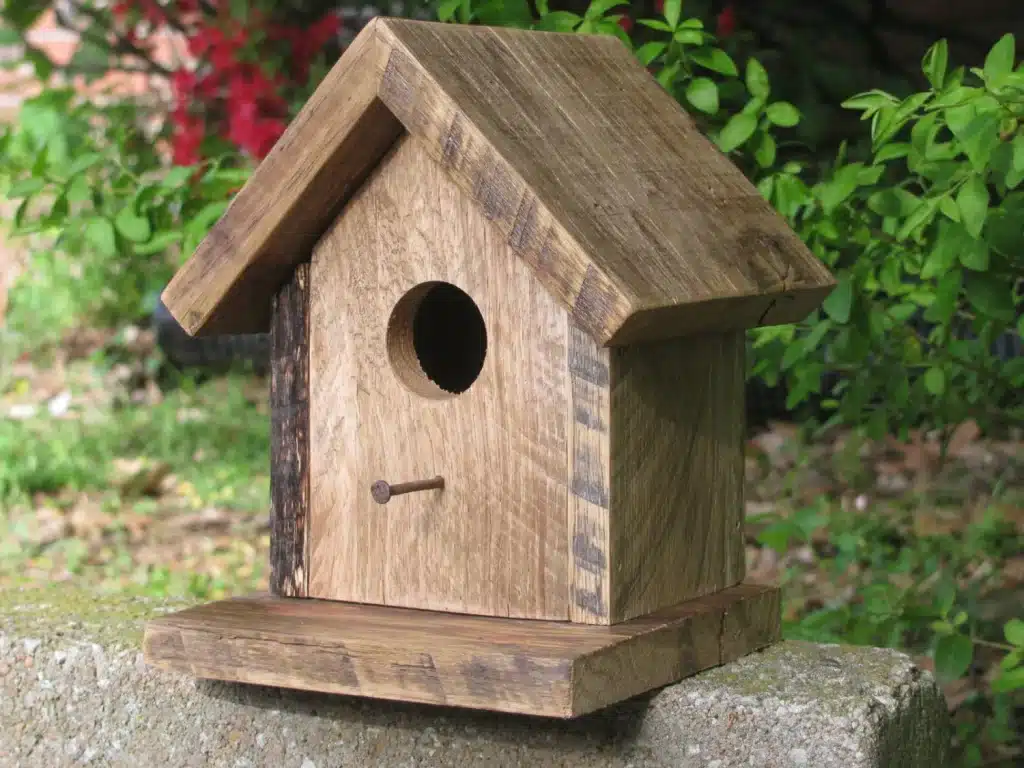
Diverse habitats are essential for attracting and supporting wildlife. This involves more than just planting a variety of plants; it means creating specific structures like birdhouses, bat boxes, and even small insect hotels. These features not only offer safe nesting and resting places but also encourage species to become permanent residents in the yard. Additionally, incorporating natural elements like log piles, rock gardens, and dense shrubs can provide crucial shelter for small mammals, amphibians, and insects. Each element added plays a role in building a comprehensive habitat that supports a wide range of wildlife.
Preserving natural features like brush piles and dead trees is equally important. These elements might seem unsightly but are invaluable for wildlife. For instance, dead trees or ‘snags’ can serve as nesting sites for birds and bats, while fallen logs and leaves offer hiding spots for ground-dwelling creatures. Homeowners should consider leaving a section of their yard a little wild, allowing grass to grow taller and leaves to accumulate. This approach not only reduces maintenance but also creates a mini-ecosystem within the yard, providing diverse habitats that are vital for sustaining wildlife.


