
Allergen Information

For those with food allergies or sensitivities, the allergen information section is not just a part of the food label; it’s a critical safety measure. By law, common allergens like peanuts, tree nuts, milk, eggs, soy, wheat, fish, and shellfish must be clearly indicated. This information is usually found near the ingredients list and is crucial for avoiding an allergic reaction, which can range from mild discomfort to life-threatening situations.
Furthermore, it’s also essential to pay attention to statements like “may contain” or “processed in a facility that also processes.” These indicate that while the allergen may not be an ingredient in the product, cross-contamination is possible. For those with severe allergies, even trace amounts can trigger a reaction. Therefore, understanding and paying close attention to allergen information can be a lifesaver, quite literally.
Organic, Non-GMO, And Other Labels
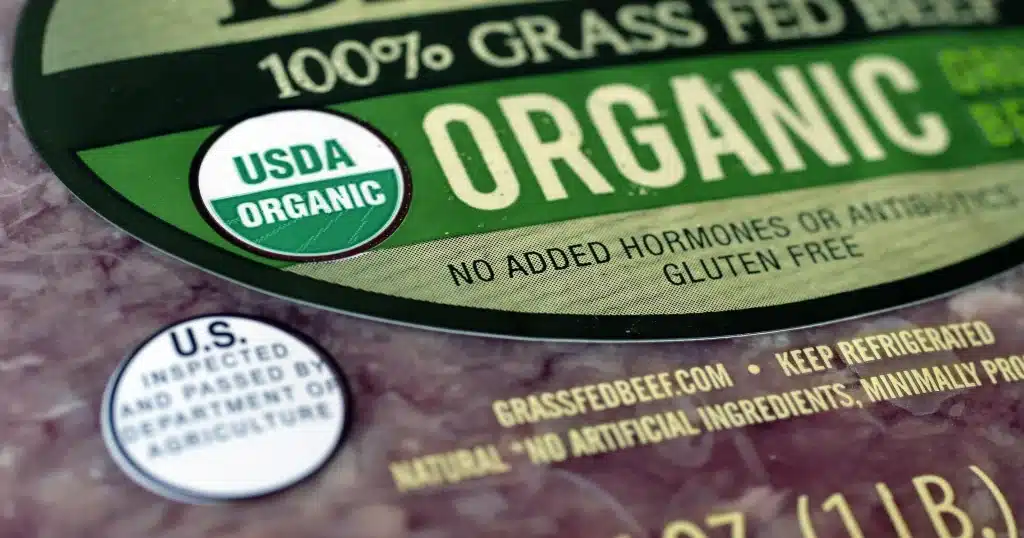
The terms “organic,” “Non-GMO,” and other such labels have become buzzwords in the food industry, often used to attract health-conscious consumers. But what do these terms actually mean? Organic foods are grown without synthetic pesticides or fertilizers and are not genetically modified. Non-GMO stands for non-genetically modified organisms, meaning the food does not contain any genetically engineered ingredients. These labels are regulated by agencies and can offer more healthful and environmentally friendly options.
However, it’s crucial to note that just because something is labeled as “organic” or “Non-GMO” doesn’t automatically make it healthy. For instance, organic sugar is still sugar, and it can still contribute to weight gain and other health issues if consumed in excess. Similarly, a non-GMO cookie packed with sugar and unhealthy fats isn’t necessarily a better choice than its GMO counterpart. Therefore, while these labels can be indicators of quality, they should not be the sole criteria for determining the healthfulness of a food item.
The “Health Halo” Effect

You’ve probably come across food items labeled as “natural,” “low-fat,” or “healthy” and thought they must be good for you. This is known as the “Health Halo” effect, where certain words or claims give the impression that a food item is healthier than it actually is. Marketing teams are well aware of this psychological effect and use it to their advantage to boost sales. However, these labels can be incredibly misleading and are not strictly regulated.
For instance, a product labeled as “low-fat” may still be high in sugar and calories. Similarly, the term “natural” has no standardized definition in many jurisdictions, meaning it can be slapped onto almost any product. This can lead consumers to make choices that they think are healthy but are actually not beneficial in the long run. Therefore, looking beyond the front label and delving into the nutritional facts and ingredients list is crucial to get the full picture of what you’re consuming.
How To Compare Products

When standing in a grocery aisle surrounded by multiple brands of the same product, how do you make the best choice? One effective way is by comparing the price per serving or the price per weight. This gives you a more accurate understanding of the value you’re getting. However, the cheapest option isn’t always the best; you also need to consider the product’s nutritional value. A cheaper product might be more cost-effective but less nutritious, which could cost you more in healthcare expenses in the long run.
Another method for comparing products is by looking at their nutritional profiles side by side. Check the calories, macronutrients, and micronutrients to see which one aligns best with your dietary needs. Also, take a close look at the ingredients. Are they natural, or are there a lot of artificial additives? By taking the time to compare, you’re not just choosing a product; you’re making a decision that impacts your health and well-being.
Tips For Quick And Effective Label Reading

In today’s fast-paced world, spending a lot of time reading food labels during every grocery trip may not be feasible. Thankfully, there are tools and apps that can scan labels and provide a quick breakdown of nutritional information. These can be particularly useful for identifying harmful ingredients or allergens. However, it’s essential to remember that these tools should complement, not replace, your own understanding of food labels.
Even without technological aid, you can become proficient in label reading with some practice. Create a checklist of key things to look for based on your dietary needs, whether it’s low sodium, high protein, or gluten-free. Keep this checklist handy on your phone or a piece of paper, and soon, you’ll find that scanning labels becomes second nature. This way, you can make quick yet informed decisions that align with your health goals.
Master The Art Of Reading Food Labels!
You’ve journeyed through the labyrinth of food labels, from understanding the basics to decoding nutritional facts and from scrutinizing ingredients to dodging the pitfalls of misleading marketing. The ability to read food labels correctly is more than just a skill; it’s an empowerment tool for your health and well-being. By applying the insights from this guide, you’ll transform your grocery shopping experience from a guessing game into a strategic mission. So, the next time you find yourself in a grocery aisle, remember knowledge is power, and that power is now in your hands.


