Contents
Planning Your Plant Palette

Choosing the right plants for your garden is more than picking your favorites. Consider factors such as plant hardiness, bloom time, and how they fit into your garden’s color scheme. Diverse plant selections enhance the garden’s aesthetic and support a healthy ecosystem by attracting pollinators and beneficial insects.
Layout and design play a significant role in the overall success of your garden. Proper planning can ensure that plants have enough space to grow without competing for resources. Consider the mature size of plants, their sunlight requirements, and how they will interact with existing elements in your garden. A well-planned garden layout can save you from headaches later in the season.
Mulching and Fertilizing
Mulch is a gardener’s best friend. It conserves soil moisture, helps maintain an even temperature, and suppresses weed growth. Applying the right amount and type of mulch can dramatically reduce garden maintenance and improve plant health. Organic mulches, such as straw or bark chips, add nutrients to the soil as they decompose.
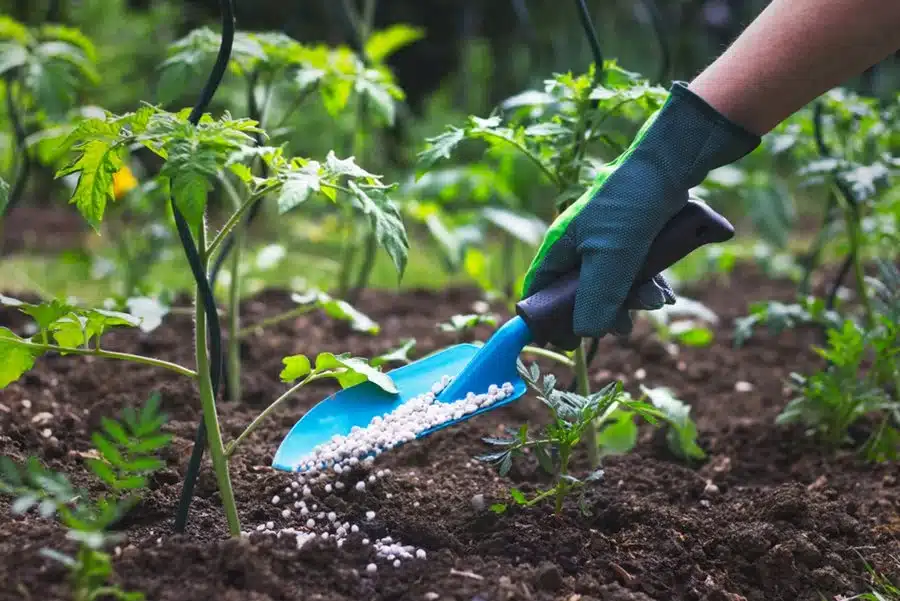
Fertilizing is crucial for supplying plants with the nutrients they need to thrive. Understanding your plants’ specific needs and the types of fertilizers available can help you make informed choices. Whether you prefer organic options like compost and manure or controlled-release synthetic fertilizers, the right feeding schedule can significantly impact your garden’s productivity.
Irrigation Systems Check
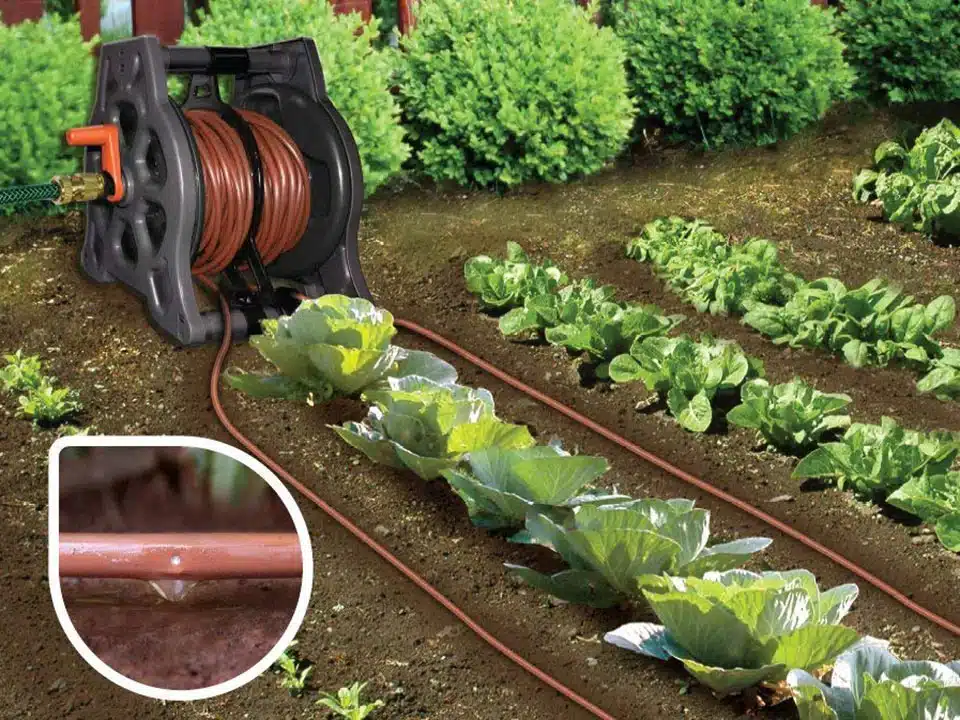
After a long winter, checking your irrigation system is critical to ensure it’s in working order. Leaks, clogs, or damage can waste water and harm your plants. Early spring is ideal for inspecting, cleaning, and repairing irrigation lines, sprinkler heads, or drip systems. This ensures your garden receives the water it needs efficiently and effectively.
Consider upgrading your irrigation system if necessary. Modern technologies, such as drip irrigation and soaker hoses, provide water directly to the plant roots, reducing waste and preventing diseases. Smart irrigation controllers can adjust watering schedules based on weather conditions, saving water and making garden care more convenient.
Attracting Pollinators

Incorporating pollinator-friendly plants into the garden is a key strategy for ensuring a productive spring. Flowers that bloom at different times throughout the growing season can provide a consistent food source for bees, butterflies, and other pollinating insects. Selecting various colors, shapes, and sizes in flowering plants can attract various pollinators, each with their own preferences. Native plants are particularly beneficial as they have evolved alongside local pollinator species and often provide the most suitable nourishment. This approach supports the local ecosystem and enhances the garden’s beauty and biodiversity.
Creating habitats for pollinators is another critical aspect of a pollinator-friendly garden. Features such as insect hotels offer nesting sites for solitary bees and other beneficial insects, while bird baths or shallow water dishes provide essential water sources. Leaving some areas of the garden wild, with dead wood and leaf piles, can also offer shelter and nesting materials for various creatures. These efforts to make gardens more welcoming to pollinators can significantly impact fruit and vegetable yields and contribute to the local ecosystem’s health. By attracting and supporting these vital garden allies, gardeners can enjoy the rewards of a thriving, vibrant outdoor space.
The Bottom Line
Preparing a garden for spring is a multifaceted endeavor that rewards the diligent gardener with the joy of lush, vibrant growth and a season full of blooms. By assessing winter damage, preparing the soil, and planning plantings with care, gardeners set the foundation for a thriving garden. Regular maintenance tasks like pruning, mulching, and fertilizing further support plant health while checking irrigation systems to ensure that plants receive the water they need without waste.


