Winter presents a unique set of challenges for survival, demanding skills and knowledge that go beyond those required in milder conditions. The cold, snow, and unpredictable weather patterns can quickly turn a simple outdoor adventure into a life-threatening situation. This post delves into the essential winter survival skills, from understanding the dangers of winter weather to building shelters and finding food. Equipped with this knowledge, anyone can confidently navigate the winter wilderness, ensuring safety and preparedness in the face of harsh, cold conditions.
Contents
Understanding Winter Weather And Its Dangers
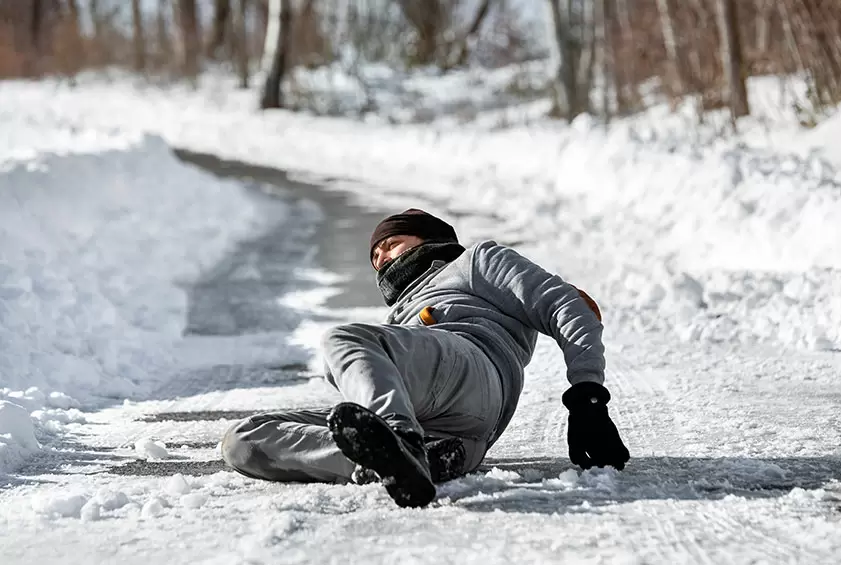
Winter weather is not just about the picturesque snowfall; it harbors potential dangers that one must be keenly aware of. The plummeting temperatures can lead to hypothermia, a condition where the body loses heat faster than it can produce, leading to a dangerous drop in body temperature. Frostbite is another risk, where skin and underlying tissues freeze, especially on extremities like fingers and toes. Additionally, ice can create hazardous conditions, increasing the risk of slips, falls, and accidents. Understanding these risks is crucial for anyone venturing into the winter wilderness. Being well-informed about the weather forecast and recognizing the early signs of these conditions can be lifesaving, enabling timely action and prevention.
In the realm of winter hazards, avalanches stand out as particularly deadly. They often occur without warning, and understanding the terrain and weather conditions that contribute to avalanches is vital. Learning to recognize avalanche warning signs and avoiding high-risk areas is imperative. Should one find themselves in an avalanche situation, knowing survival techniques, such as creating an air pocket and staying calm, could mean the difference between life and death. These dangers highlight the importance of not just physical preparedness but also having a deep understanding of the winter environment.
Essential Winter Survival Gear

When preparing for a winter excursion, selecting the right gear is critical. Essential items include thermal clothing, designed to retain body heat and wick away moisture, and a sturdy, insulated pair of boots to protect feet from the cold and provide necessary traction on snow and ice. An emergency blanket, made from Mylar, reflects body heat and is crucial for warmth in extreme conditions. A reliable flashlight or headlamp, extra batteries, and a multi-tool are also indispensable in a winter survival kit. These items should be lightweight yet robust, capable of withstanding the rigors of winter weather.
Beyond the basics, carrying a well-stocked first aid kit, a map and compass for navigation, and a portable stove or means to start a fire is essential. In situations where visibility is poor, such as during a snowstorm, brightly colored gear can be a lifesaver, making one visible to rescuers. The key is to pack smartly, balancing the need for comprehensive preparedness with the need to keep the pack light enough for mobility. Regular checks and maintenance of this gear ensure that everything is in working condition when needed most.
Building A Winter Survival Shelter

In the heart of winter, finding or creating shelter can be the difference between survival and succumbing to the elements. The primary goal of any winter shelter is to protect from wind, snow, and cold while also being well-insulated. A snow cave, for instance, is an effective option, using the natural insulating properties of snow to retain heat. Constructing a snow cave involves digging into a drift and creating a space large enough to lie down in, with an entrance tunnel that dips below the sleeping area to trap warm air.
An igloo is another traditional shelter constructed from blocks of hard-packed snow. The dome shape is remarkably stable and retains heat well. When these are not feasible, creating an emergency shelter using a tarp and natural materials like branches can provide temporary relief from the elements. Whatever the type, the shelter should be as small as practical to conserve body heat yet large enough to allow for comfortable movement. The key is to ensure that it is well-insulated, with materials like leaves, branches, or even snow packed around for extra warmth.

Navigating in a snowy landscape requires a different set of skills compared to other environments. Snow can obscure familiar landmarks, making it easy to lose one’s way. A compass becomes an invaluable tool in these conditions, providing a reliable means to maintain a consistent direction. Additionally, understanding how to read topographical maps can help identify features like valleys and ridges that may be less affected by snow cover. It’s also important to be aware of the shorter daylight hours in winter and plan routes accordingly.
In situations where one becomes lost, or needs rescue, signaling for help is crucial. Brightly colored clothing or gear can make one more visible against the snow. Flares or a whistle are effective signaling devices, especially when visibility is limited. Creating large symbols in the snow, such as an SOS, can also attract the attention of rescuers from the air. In situations where mobility is limited, staying put and creating a visible signal while waiting for help is often the safest course of action.


