

Prevention Methods

Chemical repellents containing DEET or Picaridin are often recommended for preventing mosquito bites. These chemicals work by confusing the mosquito’s sense of smell, making it harder for them to locate humans. However, it’s essential to follow the manufacturer’s instructions for application and reapplication to ensure maximum effectiveness.
Natural alternatives like citronella and lavender oils are also popular but may not be as effective as chemical repellents. Environmental control measures, such as eliminating stagnant water sources, can also help reduce the mosquito population. Community-wide efforts like fogging and larviciding can be effective but require coordinated action and resources.
Vaccines and Treatments
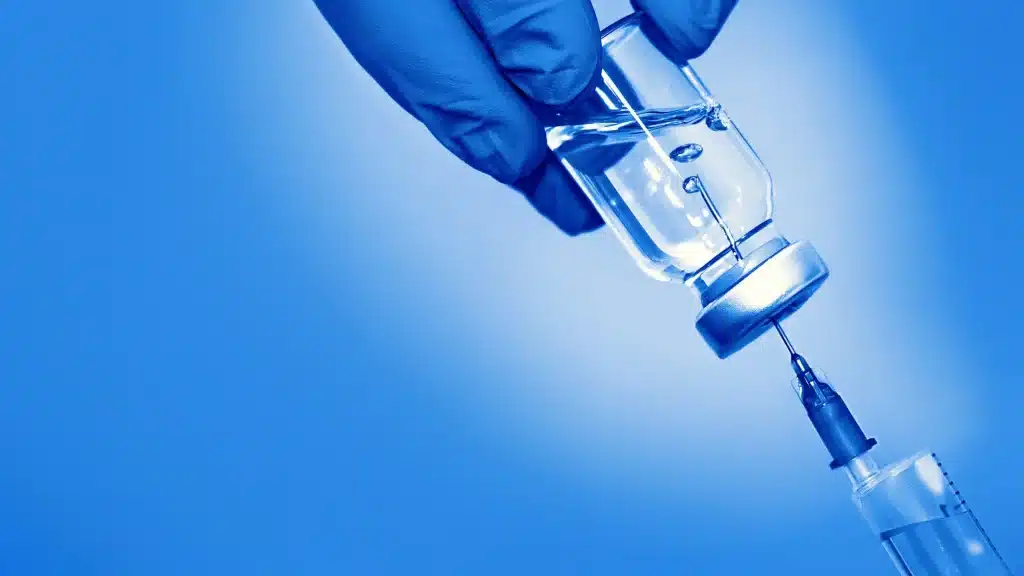
Vaccines for some mosquito-borne diseases like Yellow Fever are available and highly effective. For travelers visiting high-risk areas, vaccination is often recommended as a preventive measure. However, for diseases like Malaria and Dengue, no fully effective vaccine is currently available, although research is ongoing.
Several antiviral and antimalarial medications can treat mosquito-borne diseases, but early diagnosis is crucial for effective treatment. Research into new treatments and vaccines is ongoing, with some promising candidates in clinical trials. However, prevention remains the most effective strategy until more comprehensive treatments are developed.
Global Initiatives to Combat Mosquito-Borne Diseases
International organizations like the World Health Organization (WHO) and the Centers for Disease Control and Prevention (CDC) have set guidelines for combating mosquito-borne diseases. These guidelines include recommendations for vector control, surveillance, and community engagement, aiming to reduce the global impact of these diseases.
Community-based programs have shown success in reducing the incidence of mosquito-borne diseases. For example, the use of insecticide-treated bed nets has significantly reduced Malaria cases in several African countries. Public awareness campaigns and education are also crucial components of these community efforts, empowering individuals to take preventive measures.
The Future of Mosquito-Borne Diseases
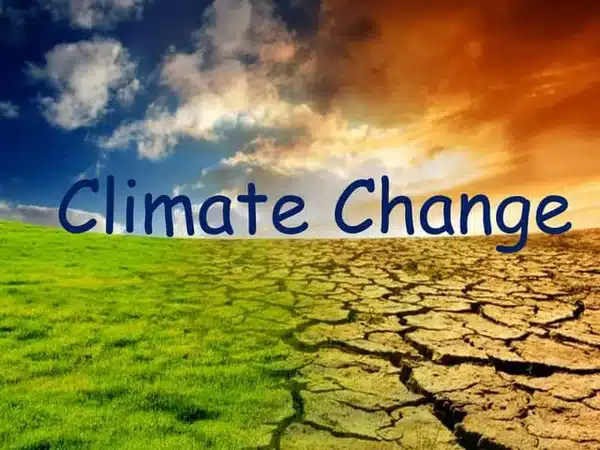
Climate change poses a significant threat to the spread of mosquito-borne diseases. Rising temperatures and changing precipitation patterns can expand the habitats suitable for mosquitoes, potentially increasing the incidence of these diseases. Public health systems must adapt to these changing conditions to prevent outbreaks effectively.
Technological advancements offer hope in the fight against mosquito-borne diseases. From gene editing techniques aimed at reducing mosquito populations to new diagnostic tools for rapid disease detection, technology could play a crucial role in future prevention and treatment efforts.
The Bottom Line
Mosquito-borne diseases are a global health concern that requires concerted efforts for effective management and prevention. Understanding the biology of mosquitoes, recognizing the symptoms of the diseases they carry, and taking preventive measures are crucial steps in combating these deadly diseases. As research continues and technology advances, there is hope for more effective treatments and perhaps even cures. Until then, awareness and prevention remain our best defense.


