

Fertilization And Soil Care

Adjusting your fertilization schedule is an essential aspect of winter plant care. During the colder months, most indoor plants’ growth slows down, reducing their need for nutrients. It’s generally advisable to reduce the frequency of fertilization or even pause it completely, especially for plants that enter a full dormancy. Over-fertilization in winter can lead to nutrient build-up in the soil, potentially harming plant roots and leading to poor plant health. A balanced, gentle approach to fertilization during this time can prevent these issues.
The quality of the soil also plays a pivotal role in maintaining healthy indoor plants. Winter is an excellent time to check and refresh the soil if necessary. While repotting is typically reserved for the growing season, topping up or replacing a portion of the soil can help provide a fresher environment for your plants. Adding components like perlite or vermiculite can improve soil aeration and drainage, which are crucial in the wetter and colder months. Monitoring the soil’s condition helps ensure that your plants have the best foundation for their winter rest and upcoming spring growth.
Pruning And Cleaning

Pruning and cleaning your indoor plants in winter not only keeps them looking neat but also supports their health. This season is ideal for pruning because many plants are in a dormant state, reducing the stress caused by trimming. Pruning away dead or dying leaves and stems help direct the plant’s energy to healthier parts, encouraging robust growth in the spring. It’s essential to use clean, sharp tools for pruning to prevent damage and potential disease transmission between plants.
Cleaning the leaves of your indoor plants is another crucial aspect of winter care. Dust and grime can accumulate on leaves, blocking sunlight and reducing the plant’s ability to photosynthesize effectively. Gently wiping the leaves with a damp cloth or using a mild soap solution can keep them clean and healthy. This simple step also helps in inspecting plants for signs of pests or diseases, allowing for early intervention. Regularly cleaned and pruned plants are more likely to thrive and maintain their beauty throughout the winter months.
Tackling Common Winter Pests

Winter can bring its own set of challenges with indoor plant pests, as the warm, dry conditions indoors are often ideal for pests like spider mites, mealybugs, and scale insects. Vigilance is key in early detection and control of these pests. Regularly inspecting your plants, especially the undersides of leaves and leaf joints, helps in spotting early signs of infestation. Early intervention can prevent pests from spreading to other plants and becoming a larger problem.
Treatment options for pests vary depending on the type and severity of the infestation. Natural remedies like neem oil, insecticidal soap, or alcohol swabs can be effective for mild cases. Isolating affected plants is crucial to prevent the spread of pests to other indoor plants. For more severe infestations, systemic insecticides might be necessary, but they should be used cautiously and as a last resort. Maintaining good air circulation and humidity can also help deter pests, as many thrive in stagnant, dry conditions.
Additional Winter Plant Care Tips
Grouping plants together can be beneficial in winter, as it creates a microclimate with higher humidity and more stable temperature conditions. This communal setup allows plants to benefit from each other’s transpired moisture, somewhat mitigating the dry indoor air problem. It’s also aesthetically pleasing, creating a lush, green space in your home during the drab winter months. When grouping plants, consider their individual light and water needs to ensure they are compatible.
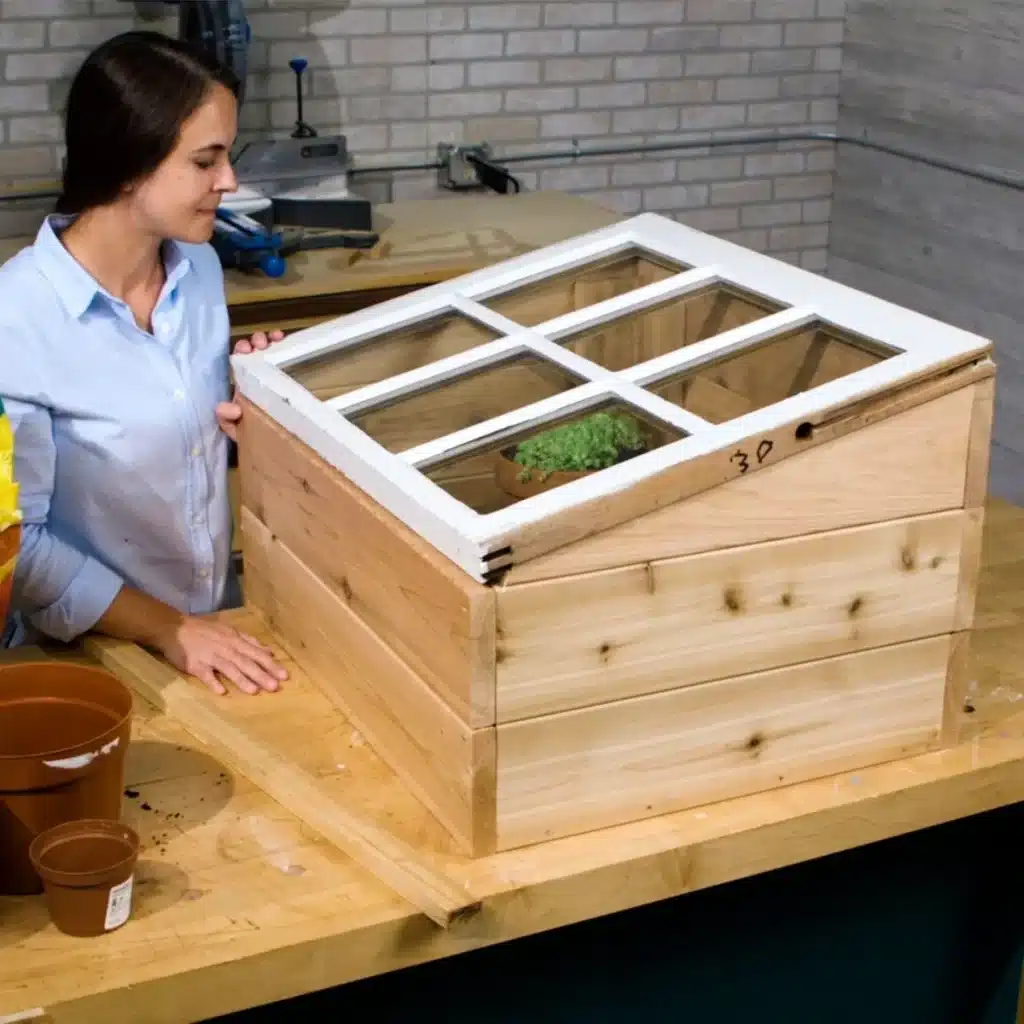
DIY projects can also enhance your indoor gardening experience during winter. Creating mini greenhouses using plastic bags or containers can provide a humidity boost for humidity-loving plants. You can also try your hand at indoor composting, which is a great way to recycle kitchen scraps into nutrient-rich compost for your plants. Experimenting with DIY potting mixes or building attractive plant supports are other engaging activities that can be rewarding. These additional care tips not only aid in maintaining the health of your indoor plants but also keep you actively engaged with your green companions, making indoor gardening a fulfilling winter hobby.
Cultivate Cozy Greens This Winter
As this guide concludes, remember that caring for your indoor plants during winter is not just about maintenance but also an opportunity for growth and learning. With the right strategies in place, you can ensure your plants not only survive but thrive in the colder months. Take this time to engage more deeply with your green companions, observing their unique needs and responding with care. Let this winter be a season of nurturing and growth for both you and your plants!


