Delving into the world of herbal remedies opens a fascinating chapter in the pursuit of natural wellness. This ancient practice, rooted in centuries of tradition, is experiencing a modern renaissance as more people seek holistic approaches to health. Crafting your own herbal remedies not only connects you with the wisdom of your ancestors but also empowers you to personalize your healthcare. This journey into herbalism is not just about mixing herbs; it’s about embracing a lifestyle that prioritizes natural, sustainable, and effective health solutions. As you embark on this path, you’ll discover the profound satisfaction and numerous benefits that come from creating your own herbal remedies.
Understanding Herbal Properties

The foundation of crafting effective herbal remedies lies in a deep understanding of the properties of various herbs. Each herb possesses unique qualities and health benefits, ranging from soothing chamomile, known for its calming effects, to the immune-boosting powers of echinacea. Recognizing these properties enables you to select the right herbs for specific health concerns. For instance, ginger, with its anti-inflammatory properties, is excellent for digestive issues, while lavender can be used to alleviate stress and promote relaxation. It’s crucial to understand that herbs can have different effects on different people, and their potency can vary based on growing conditions and preparation methods.
In addition to knowing the benefits, it’s equally important to be aware of any potential side effects and interactions. Some herbs can interact with prescription medications or may not be suitable for people with certain health conditions. For example, St. John’s Wort, while effective for mild depression, can interfere with the efficacy of certain prescription drugs. Therefore, a comprehensive understanding of herbal properties isn’t just about their benefits but also involves a keen awareness of their limitations and potential risks. This knowledge is vital in ensuring the safe and effective use of herbal remedies.
Sourcing Quality Ingredients

The effectiveness of your herbal remedies is directly linked to the quality of the ingredients used. High-quality, fresh, and pure herbs yield the best results. When sourcing herbs, look for those that are organically grown, as they are free from harmful pesticides and chemicals. Organic certification is a good indicator of quality, but knowing your supplier and their farming practices can be even more insightful. If possible, sourcing herbs from local growers or herbalists who can provide details about the plant’s growth and harvest conditions is ideal.
For those interested in a more hands-on approach, growing your own herbs is an excellent option. This ensures the freshness and quality of your ingredients and deepens your connection to the herbal remedy process. When growing herbs, consider factors like soil quality, sunlight, and water needs, as these can significantly impact the medicinal qualities of the plants. Whether you’re buying or growing, remember that the quality of your ingredients is a critical factor in the potency and effectiveness of your herbal remedies.
Essential Tools And Equipment
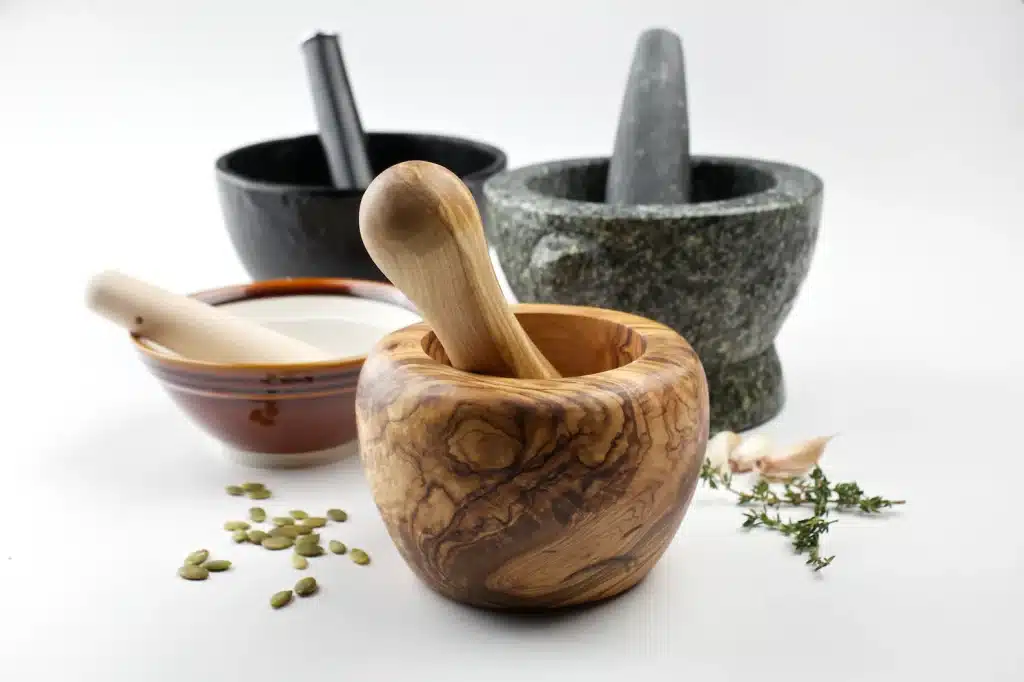
Creating herbal remedies doesn’t require an extensive array of tools, but a few essentials are necessary for a successful start. A mortar and pestle are invaluable for grinding and blending herbs, releasing their natural oils and medicinal properties. Glass jars with tight-fitting lids are essential for storing herbs and preparations like tinctures and infusions. Strainers or cheesecloths are needed for filtering out plant materials, leaving behind the potent liquid extracts. Additionally, having a scale for precise measurements and a notebook for recording formulations and observations can greatly enhance your herbal practice.
While these basic tools are sufficient for beginners, as you delve deeper into herbalism, you might find that certain specialized equipment can enhance your preparations. For example, a dehydrator can be useful for drying herbs and preserving their qualities for long-term storage. A double boiler is handy for making salves and lotions. Remember, cleanliness is paramount in all your preparations to avoid contamination. Start with these basic tools and gradually build your collection as your experience and interest in herbal remedy-making grow.
Preparation Techniques

The process of preparing herbal remedies is both an art and a science, requiring specific techniques for different types of herbs. Infusions, a simple yet effective method, involve steeping delicate parts of the plant, like leaves and flowers, in hot water. This technique is perfect for extracting essential oils and flavors without damaging the plant’s delicate compounds. Decoctions, in contrast, are ideal for tougher plant parts such as roots and bark. This method involves simmering these parts in water, allowing the extraction of deeper, more robust medicinal properties.
Tinctures represent another essential technique in herbalism. They involve soaking herbs in alcohol or vinegar to extract their active ingredients, resulting in a potent and long-lasting remedy. For topical applications, salves and balms are effective. These are made by infusing herbs in oils and then thickening the mixture with beeswax. Each preparation method serves a specific purpose, and mastering these techniques is crucial for creating effective and personalized herbal remedies. As you explore these methods, you’ll gain a deeper understanding and appreciation for the versatility and power of herbs.


