

Water Plants Wisely
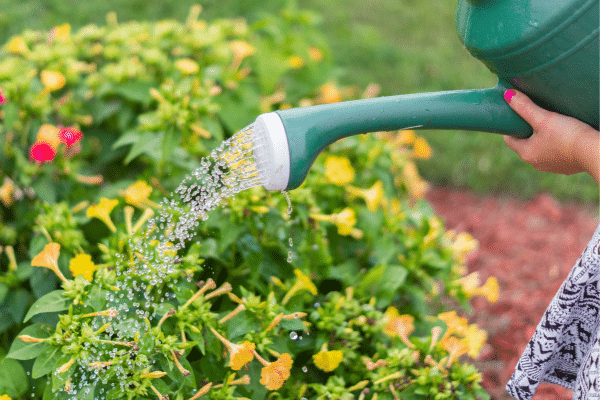
Efficient watering practices for gardens and lawns can greatly reduce water consumption. Watering plants during the early morning or late evening reduces evaporation, allowing water to soak into the soil and reach plant roots more effectively. Utilizing drip irrigation systems or soaker hoses targets water directly to the base of plants, minimizing waste and preventing water from evaporating before it can be utilized by the plant. Mulching around plants also helps retain soil moisture, reducing the need for frequent watering. Selecting native or drought-resistant plants can further decrease water use, as these species are adapted to thrive in local conditions with minimal additional watering.
Adjusting lawn care practices can also contribute to water savings. Lawns are often over-watered, leading to shallow root systems and increased water demand. Teaching oneself to recognize when plants and lawns truly need watering, rather than adhering to a fixed schedule, can prevent unnecessary water use. Encouraging deeper root growth by watering less frequently but more deeply can make lawns more drought-resistant. Implementing these strategies not only conserves water but also promotes healthier, more resilient plants and lawns.
Install Water-Saving Devices

The installation of water-saving devices is a straightforward approach to reducing water consumption in the household. Devices such as low-flow showerheads, faucet aerators, and dual-flush toilets can significantly decrease the amount of water used in daily activities. These technologies are designed to provide the same functionality while using a fraction of the water that traditional fixtures consume. For instance, low-flow showerheads can save thousands of gallons of water per year without sacrificing water pressure. Investing in these devices not only contributes to water conservation but also results in savings on water bills over time.
The initial cost of water-saving devices is often recouped through the reduction in water bills. Many local governments and water utilities offer rebates or incentives to encourage the adoption of these water-efficient products. Educating oneself about available options and selecting devices that are compatible with existing fixtures is crucial for maximizing efficiency and savings. Beyond the bathroom and kitchen, considering upgrades to water-efficient appliances like washing machines and dishwashers can further enhance water conservation efforts. By making informed choices, households can play a significant role in conserving water resources.
Educate Your Household

Encouraging water conservation within the household requires education and collective action. Discussing the importance of saving water and implementing a plan to reduce consumption can engage all family members in the effort. Simple practices, such as turning off the tap while brushing teeth or collecting water used for rinsing fruits and vegetables to water plants, can be effective starting points. Establishing a culture of conservation at home involves everyone’s participation and can lead to significant reductions in water use. Additionally, setting a positive example can influence friends and extended family to consider their water usage habits.
Children can be powerful advocates for water conservation when they understand the reasons behind it. Introducing fun and educational activities that highlight the value of water can foster a lifelong commitment to conservation. Challenges, such as who can take the shortest shower or measures to reduce water usage during household chores, can make conservation efforts more engaging. Recognizing and celebrating the achievements of household members in saving water can reinforce positive behaviors and ensure that water conservation becomes a shared value.
Monitor Your Water Usage

Monitoring water usage is essential for identifying opportunities for conservation and assessing the effectiveness of implemented measures. Regularly reviewing water bills and noting any significant changes in consumption can highlight areas for improvement. Modern technology, such as smart water meters and home management systems, offers real-time monitoring of water use, enabling households to detect leaks and inefficiencies promptly. Such technologies can provide detailed insights into when and how water is being used, guiding efforts to reduce consumption.
Manual tracking of water use in specific activities, like watering the garden or filling a swimming pool, can also be enlightening. This hands-on approach allows for a better understanding of personal or household water consumption patterns. By setting goals for water usage and regularly assessing progress, individuals and families can make more informed decisions about where to focus their water-saving efforts. The act of monitoring and adjusting water use is a continuous process that can lead to substantial water conservation over time.
The Bottom Line
Conserving water is a crucial responsibility that extends beyond individual or household efforts; it is a collective action that contributes to the sustainability of global water resources. The strategies discussed, from taking shorter showers to installing water-saving devices, highlight practical steps that can be taken to reduce water consumption. Each action, no matter how small, plays a part in the broader effort to conserve water. It is through awareness, education, and proactive measures that significant progress can be made. As communities come together to prioritize water conservation, the cumulative impact of these actions can ensure the availability of this vital resource for future generations.


