If taking shorter showers sounds too tedious when it comes down to having more energy-efficient habits at home, try investing in shower timers instead! These little gadgets are extraordinarily cheap and can help you monitor how long you’re showering. If there’s a specific amount of time that works best for your water pressure or energy bill, feel free to set it accordingly! This is an easy way to get into the habit of taking shorter showers without thinking about it every morning.
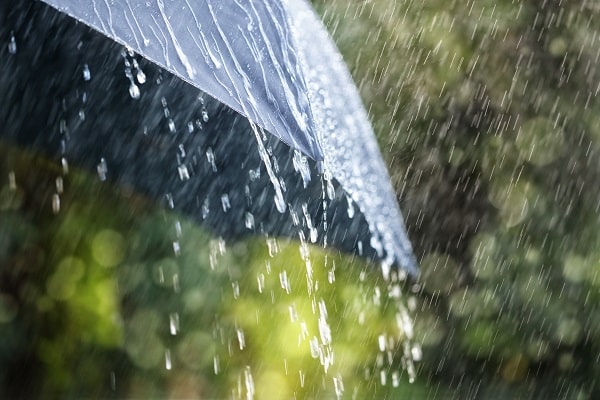
Another simple yet highly effective way to save water is to take advantage of rain showers, especially if you live in an area with lots of rainfall. Instead of using the hose or sprinklers for your lawn/garden, try setting up a makeshift bucket system around all areas that need watering and collect any excess runoff into it instead! This will save you tons on energy bills as well since less electricity will be required throughout the summer months when everyone’s lawns need extra TLC after long periods without precipitation.
Get A Low-Flush Toilet
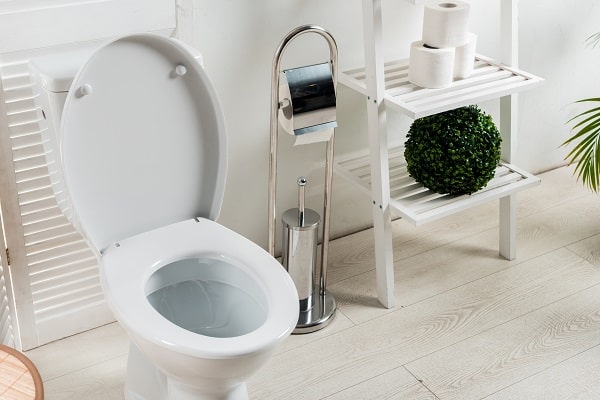
If you’re looking to save more water in your home with appliances, consider getting a low-flush toilet. Although these toilets are slightly pricier than the average one when it comes to installation, they do work wonders to cut back on overall household water usage. By switching over to this type of appliance alone, many people see their monthly bills drop exponentially – especially if they have larger families!
Turn Off The Faucet While Brushing Your Teeth
While this may seem like a straightforward tip to some, many people simply forget about this extra step towards being more energy-efficient. Simply turning off the faucet while brushing your teeth can save you up to 15 gallons of water a day – which adds up quickly over time! This is also another easy way for those with more prominent families to start getting into the habit of conserving water without having to do anything drastic or costly.
Check Your Water Meter
A great way to see how much water you’re using daily is by checking your meter and bill. Suppose there are any discrepancies between what you think you may be paying for versus the amount of water used. In that case, it could potentially be an indication of leaks or other appliances running longer than they should, which can all add up over time!
Conclusion
Hopefully, these suggestions will help you be more aware of how much water you’re using and inspire new habits that can save your household money and energy in the long run! Try to do something every day to create a better, greener world for ourselves and our children’s future generations. With enough awareness surrounding this topic, we may someday see an end to many issues such as drought or polluted coastlines – which would indeed be wonderful if achieved!
Incorporating Ashes Into A Coral Reef Transforming ashes into part of a coral reef creates a living legacy, contributing to marine life’s sustainability. This process…
Practice Mindfulness Mindfulness involves being fully present in the moment, aware of where we are and what we’re doing, without being overly reactive or overwhelmed…